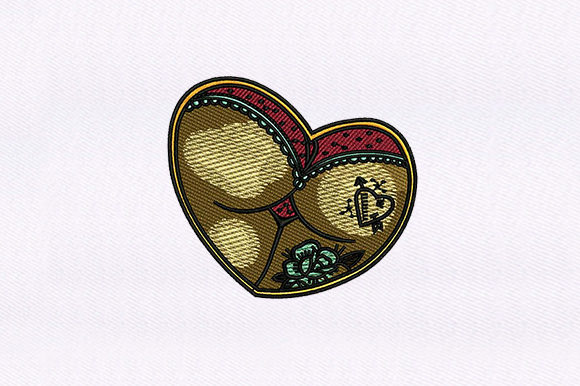
Posterior of a Woman Design
The Posterior of a Woman Design is a striking machine embroidery design that offers a unique visual statement for craft fair sellers and handmade product creators. With its bold and distinctive style, this embroidery file has the potential to stand out in a crowded market. Whether you're an Etsy seller, a boutique maker, or a small shop product designer, understanding how this design performs across different mediums is essential for maximizing its appeal.
First Impressions and Visual Appeal
From the first glance, the Posterior of a Woman Design feels modern and eye-catching. It carries a sense of confidence and artistic flair that can elevate any craft fair product. The design isn’t subtle, but it’s not overwhelming either—it strikes a balance between attention-grabbing and elegant. This makes it ideal for products that need to make an immediate impact, like tote bag design or apron embroidery.
It doesn’t have a farmhouse or rustic vibe, but it does have a premium feel. The intricate details suggest a level of craftsmanship that can translate well into high-quality handmade product displays. For a booth at a craft fair, this design could be a conversation starter, especially when paired with the right fabric colors and thread colors.
Performance on Different Products
When considering where to place the Posterior of a Woman Design, the product type matters. Tote bags and market bags are natural choices—large surfaces allow the design to shine without feeling cramped. Aprons and tea towel embroidery also offer good space for the design to be visible and impactful.
Embroidered patches and fabric pouches can work too, but the design may need to be scaled down. In these cases, the stitch density becomes important. If the original design has dense areas, smaller versions might look cluttered. It’s worth testing on scrap fabric before committing to mass production.
Caps and pillow covers present a challenge due to curved surfaces and limited space. The design might not translate well to a cap unless it’s simplified or placed in a way that accommodates the curve. Pillow covers, on the other hand, offer more room and can showcase the design effectively.
Practical Selling and Production Considerations
For craft fair sellers, the Posterior of a Woman Design needs to be easy to recognize at a glance. It should work as both a small accent and a large focal point. When used on larger items like tote bags, it commands attention. On smaller items like patches, it requires careful scaling to maintain clarity.
This design also photographs well for online listings. A printable mockup can help show how it looks on different backgrounds, which is essential for Etsy sellers and digital embroidery file retailers. High-quality photos of the finished product can make a big difference in buyer engagement.
Batch production is another factor. If the design has complex elements, it may take longer to embroider, increasing labor time. However, if the design is clean and well-structured, it can be repeatable and efficient for commercial embroidery projects.
Careful-Use Notes
There are a few things to keep in mind when working with the Posterior of a Woman Design. Dense stitch areas can cause puckering or distortion, especially on thin fabrics. Tiny details might not show up clearly on dark fabric, so color contrast is key. Small lettering could be lost if the design is scaled down too much.
Textured towels and thick fabrics may require additional stabilizer to prevent the design from shifting. Curved cap surfaces can be tricky, and the hoop size may need adjustment to accommodate the shape. Always test the design on different fabrics before finalizing your product lineup.
Impact on Brand and Booth Display
The Posterior of a Woman Design adds visual interest to any booth display. It can serve as a strong brand identifier, especially if it aligns with your overall aesthetic. For handmade product creators, this design can enhance the perceived value of your offerings, making them more attractive to buyers looking for unique, artisanal items.
As a small shop product, it can help differentiate your line from others. The design’s boldness can create a memorable impression, encouraging customers to stop by your table and engage with your work. It also works well as a sample for booth displays, drawing attention and sparking curiosity.
Embroidery Designer Notes
Before producing the Posterior of a Woman Design, I recommend testing it on scrap fabric to see how it looks in real life. Check the thread colors against your fabric to ensure visibility and contrast. Review the spacing of the design to avoid overcrowding, especially if you plan to use it on smaller items.
Confirm the hoop size required for the design. Some embroidery files may need a larger hoop than what you typically use. Inspect the stitch density—if it’s too high, consider simplifying parts of the design for better performance on certain fabrics.
Always use the right stabilizer for your chosen fabric. This helps prevent puckering and ensures a clean, professional finish. Create at least one real mockup to see how the design looks on the actual product. Compare fabric colors to find the best match for your target audience.
Finally, confirm the commercial licensing terms for the Posterior of a Woman Design before selling finished products. This ensures you’re compliant and avoids any legal issues down the road.
Conclusion
The Posterior of a Woman Design is a versatile and visually appealing machine embroidery design that can add value to a wide range of craft fair products. Its boldness and uniqueness make it a strong choice for handmade product displays, especially when used on tote bags, aprons, and pillow covers. With proper preparation and attention to detail, this design can become a standout item in your collection, helping you attract customers and grow your business.