Smart Air Purifier Lineart Design
First Impressions: A Clean, Functional Aesthetic
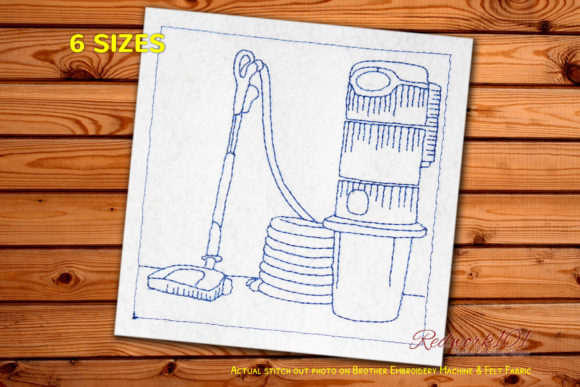
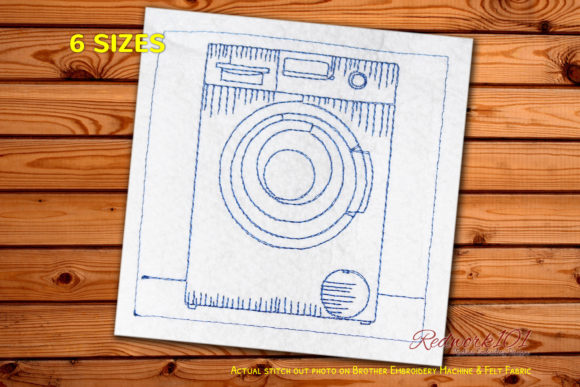
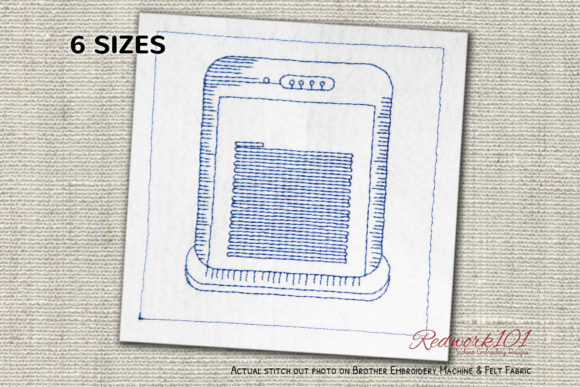
The Smart Air Purifier Lineart Design immediately conveys a sense of simplicity and modernity. The clean lines and minimalist approach make it ideal for projects that prioritize clarity over complexity. Its layout is straightforward, with a central focus on the air purifier icon, which is rendered in a way that’s easy to recognize without being overly intricate.
This design feels most at home on custom apparel, tote bags, or baby items where a subtle yet recognizable motif is desired. It’s not a flashy design, but its understated style makes it versatile for a range of applications, from casual wear to more professional settings.
Real-World Embroidery Performance
When considering how the Smart Air Purifier Lineart Design performs in real-life embroidery situations, it’s important to think about the type of project it will be used on. For custom apparel like sweatshirts or t-shirts, the design translates well, especially when using a medium-sized hoop. The stitch density is manageable, making it suitable for both beginner and experienced embroiderers.
On textured fabrics or thin materials, however, care must be taken. The design may lose some definition if the fabric doesn’t hold the stitches properly. Using the right stabilizer can help maintain the integrity of the design, especially on stretchy or delicate materials.
For baby clothes or nursery decor, the design’s clean look works well, as it avoids any elements that might be too busy or overwhelming. It also has potential as a holiday or wedding gift, where a personalized touch adds value without being too elaborate.
Where to Use With Caution
While the Smart Air Purifier Lineart Design is generally reliable, there are certain scenarios where it may not perform as expected. On small hoop sizes, the design might require scaling down, which could affect detail quality. Similarly, on curved surfaces like caps or hats, the design’s straight lines may not follow the contour as smoothly as other designs would.
Detailed corners or tiny lettering could become problematic if the design isn’t optimized for those areas. In such cases, testing the design on scrap fabric first is essential. For dark fabrics, the contrast between the thread color and the background should be carefully considered to ensure visibility.
Products that undergo frequent washing may also see wear on the design, especially if the stitch density is too light. It’s always wise to test the design under conditions similar to what the final product will face.
Impact on Visual Appeal and Customer Perception
The Smart Air Purifier Lineart Design contributes positively to the visual appeal of any project it’s used on. Its clean, uncluttered style enhances the overall look of custom apparel, embroidered patches, or small shop merchandise. When presented well, it can elevate the perceived value of a handmade product or personalized gift.
From a customer perspective, this design is likely to be seen as professional and thoughtful. It suggests attention to detail and a commitment to quality, which can build trust and encourage repeat purchases. For Etsy sellers or craft business owners, this design offers a reliable option that can be consistently reproduced without compromising on quality.
Its simplicity also makes it highly adaptable. Whether used as a standalone motif or part of a larger composition, the Smart Air Purifier Lineart Design maintains its identity without overpowering the rest of the design.
Practical Designer Notes
Before committing to the Smart Air Purifier Lineart Design for a project, it’s wise to test it on scrap fabric. This allows you to assess how the design looks in different thread colors and on various fabric types. Checking the stitch density is also important—too dense, and the design may feel stiff; too light, and it may not hold up over time.
Confirming the correct hoop size is another key step. If the design is too large for your machine’s hoop, you may need to adjust it or use multiple hooping steps. Inspecting small details, such as corners or curves, ensures that the design remains sharp and clear after stitching.
Testing the design in black and white mockups can help visualize how it will appear on different backgrounds. Comparing it on light and dark fabrics helps determine the best thread color choices. Proper stabilizer use is crucial, especially on challenging fabrics, to prevent puckering or distortion.
Finally, before selling finished products or digital embroidery files, verify the licensing terms. While the Smart Air Purifier Lineart Design seems to allow for personal and commercial use, it’s always good to double-check the specific permissions provided by the designer or seller.
Best Fit for Projects and Markets
The Smart Air Purifier Lineart Design is well-suited for a variety of projects, including tote bag designs, sweatshirt embroidery, and baby embroidery. Its clean aesthetic makes it ideal for holiday embroidery, where a simple and meaningful motif can enhance the gift-giving experience.
As a digital embroidery file, it’s a solid choice for craft businesses looking to offer printable mockups or design assets. For small shop products, it provides a consistent and professional look that aligns with brand identity. It also works well as an embroidered patch or applique design, offering flexibility in application.
Whether used for personal projects or commercial embroidery, the Smart Air Purifier Lineart Design delivers a reliable and functional outcome. Its practical nature makes it a valuable addition to any embroidery designer’s collection, especially for those focused on handmade products, personalized gifts, or boutique branding.